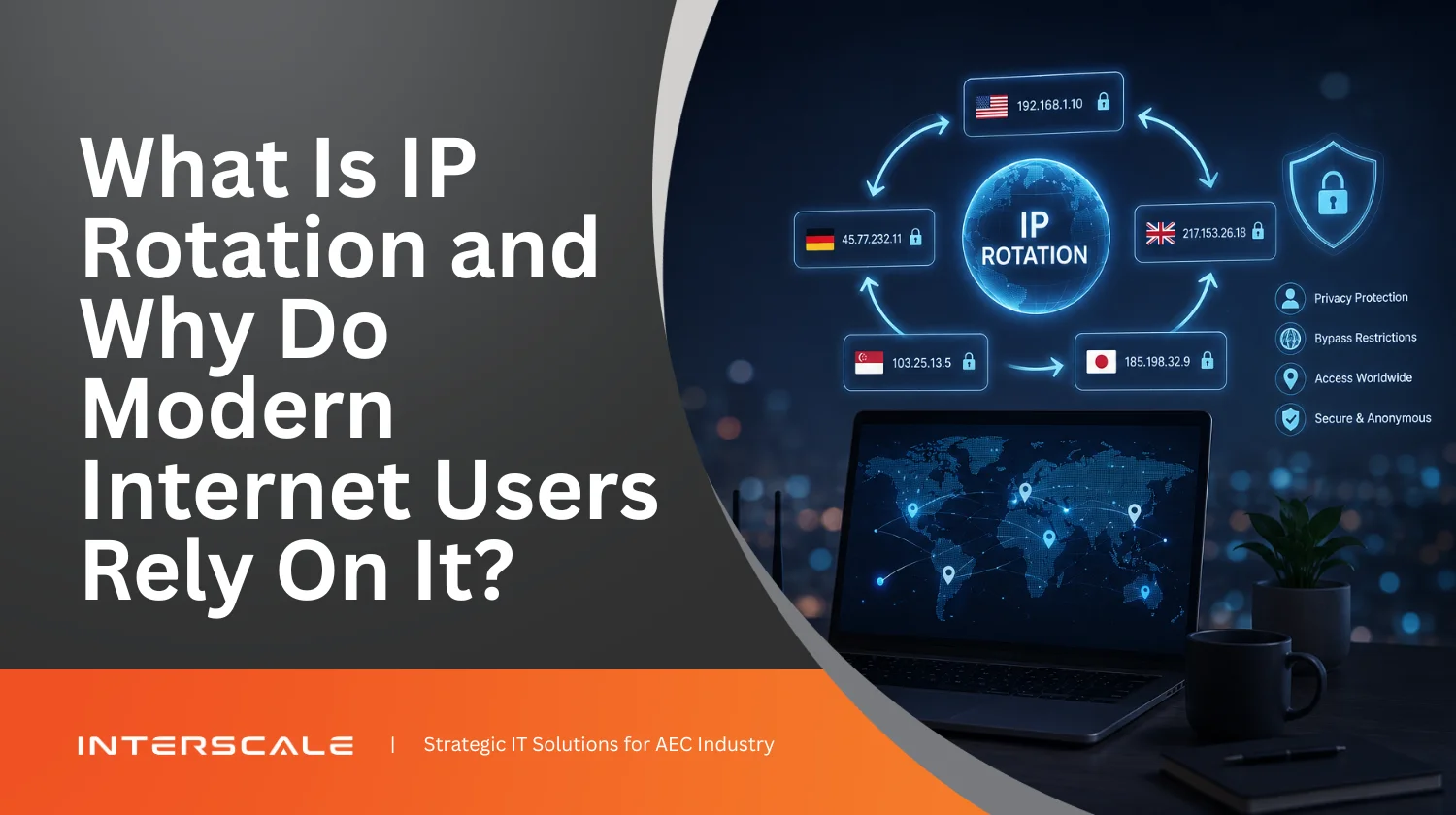
Here’s something interesting: your computer’s IP address tells websites more about you than you might think. And that’s exactly why IP rotation has taken off in recent years, becoming a go-to solution for everyone from market researchers to privacy advocates.
But what exactly is this technology, and why has it become so crucial? Let’s break it down without getting lost in technical jargon.
The Basics: How IP Rotation Actually Works
Your IP address is basically your internet home address. Websites see it every time you visit, and they use it to figure out where you’re browsing from (and sometimes, what you’re up to). IP rotation throws a wrench in this tracking by constantly switching up your visible address.
Picture it like using different phone numbers for different calls. The person on the other end never quite knows it’s the same caller because the number keeps changing.
These systems work through networks of proxy servers that have stockpiles of IP addresses ready to go. Some switch your IP every couple of minutes; others change it after every single request you make. The timing depends on what you’re trying to accomplish and how paranoid the websites you’re visiting happen to be.
Three Ways to Spin Those IPs
Not all rotation systems work the same way. You’ve got your basic sequential rotation (going through addresses in order, like dealing cards), random rotation (picking addresses like lottery numbers), and then there’s intelligent rotation.
That last one is where things get interesting. Intelligent systems actually watch how websites respond and adjust on the fly. Getting blocked? The system notices and instantly switches to a fresh IP that hasn’t been flagged yet.
The infrastructure has gotten pretty impressive too. Today’s providers run massive networks across dozens of countries, maintaining pools of IPs that look completely legitimate. Companies that need reliable access often buy rotating residential proxy at MarsProxies because residential IPs (the kind regular people use at home) tend to fly under the radar better than datacenter IPs.
Why Businesses Can’t Live Without It
Let me paint you a picture. You’re running an e-commerce business and need to check competitor prices daily. Try doing that from one IP address, and you’ll get blocked faster than you can say “market research.”
That’s where rotation saves the day. By spreading requests across multiple IPs, your research looks like regular customer traffic instead of aggressive data scraping.
And it’s not just about avoiding blocks. Different locations show different prices (airlines are notorious for this). A study from the Harvard Business Review found that companies using IP rotation for market research gained 23% better insights compared to those stuck with traditional methods. That’s the difference between knowing your market and guessing at it.
Marketing agencies use rotation to verify their ads display correctly worldwide. After all, an ad campaign that looks perfect in New York might be completely broken in Tokyo, and you’d never know without checking from local IPs.
The Security Angle Nobody Talks About
Beyond business applications, IP rotation has become a privacy powerhouse. Every website you visit builds a profile based on your browsing habits, all tied to your IP address. Rotation scrambles these profiles into meaningless fragments.
Hackers hate it too. Try launching a targeted attack when your target’s IP keeps changing; it’s like trying to hit a moving target in the dark. The Electronic Frontier Foundation has pointed out that combining IP rotation with other privacy tools creates seriously robust protection against both corporate and government surveillance.
Companies are catching on, using rotation as part of their cybersecurity strategy. It’s surprisingly effective at reducing attack surfaces and making life miserable for would-be intruders.
The Headaches You’ll Face
Now, IP rotation isn’t all sunshine and rainbows. Websites have gotten smarter about detecting it, and some will straight-up block you if they catch on.
Banking sites are particularly touchy. Switch IPs mid-transaction, and they’ll boot you out faster than a bouncer at closing time, assuming you’re up to something shady. Getting the configuration right takes some trial and error.
Performance can take a hit too. Every IP switch means establishing a new connection, which adds milliseconds that turn into seconds that turn into frustrated users. Smart implementations use connection pooling and caching to minimise the pain, but there’s always some trade-off between rotation frequency and speed.
Playing by the Rules
Before you go wild with IP rotation, know that the legal landscape gets murky. The technology itself is perfectly legal in most places, but how you use it matters.
According to MIT Technology Review, the key is sticking to legitimate business purposes rather than trying to bypass security measures or access content you shouldn’t. Most websites’ terms of service have opinions about automated access, and ignoring them can land you in hot water.
What’s Coming Next?
The future looks wild for IP rotation tech. Machine learning is starting to predict exactly when to rotate for maximum effectiveness. IPv6 is opening up astronomical numbers of new IP addresses, making detection nearly impossible.
As websites get better at tracking and restricting access, IP rotation keeps evolving to stay one step ahead. It’s become less of a technical trick and more of a fundamental tool for navigating an increasingly restricted internet.