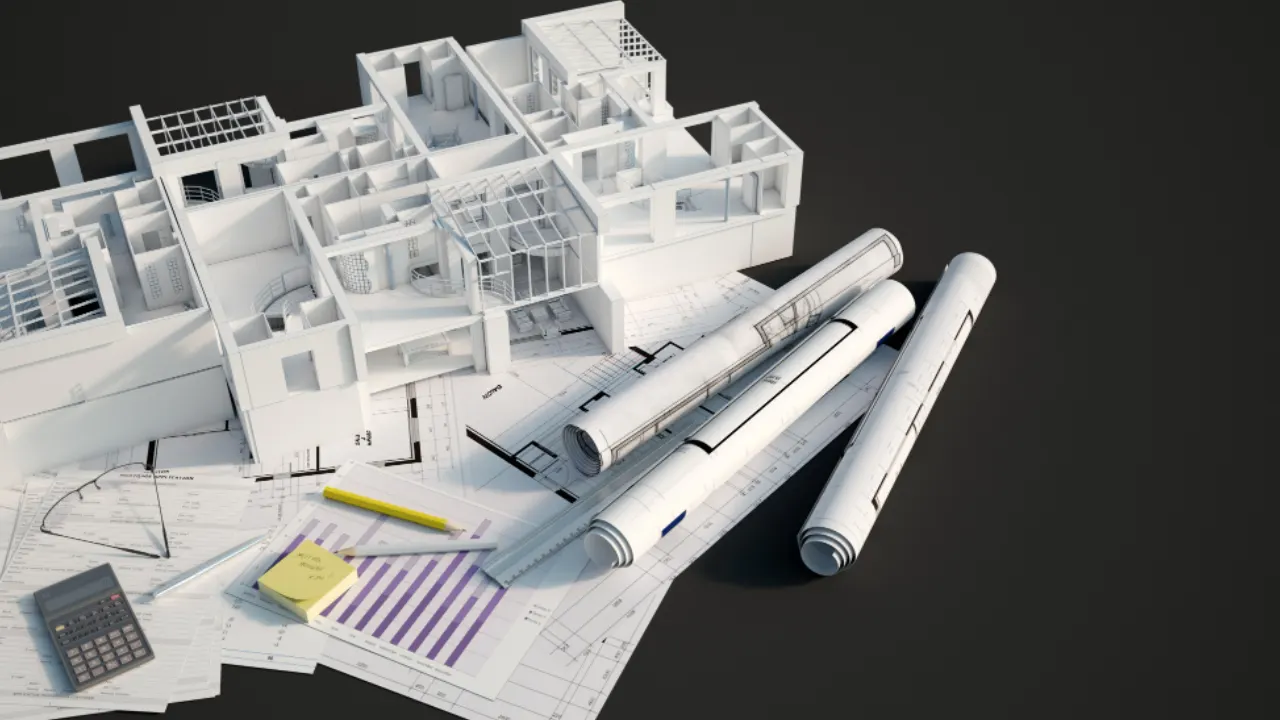

A BIM execution plan (BEP) is the blueprint for leveraging BIM across a project. It’s an upfront playbook that tells a project team what BIM tasks matter, why they matter, and when they must happen.
BIM execution plan is a collaboration tool that defines how BIM will be used to achieve specific goals. It defines roles, workflows, standards, tools, proactive clash resolution, version control, and data handover protocols since day one.
The main goal of BEP is clarity. In Australia’s AEC scene, where collaboration across disciplines is critical, this clarity is gold.
The benefits of a solid BEP are hard to ignore. For example, here are the fundamental benefits of a BIM action plan:
- Enhanced Collaboration
- Less Rework, More Efficiency
- Better Budget & Schedule Control
- Quality Data
- Client Transparency
What’s Included in a BIM Execution Plan?
A BIM execution plan is a detailed framework, tailored to your project’s needs and aligned with standards like ISO 19650 or NATSPEC, which are gaining traction in Australia.
A good BIM execution plan is thorough but tailored. It scales with your project’s complexity.
Here’s what typically goes into a robust BIM management plan:
- Project Basics: Covers the project’s name, number, location, scope, and key milestones to set the context.
- BIM Goals: What are we trying to achieve with BIM here? This needs to be specific and measurable. For example, cut coordination RFIs by 15%.
- Roles and Responsibilities: Clearly outlines roles and responsibilities. Who’s the overall BIM Manager? Who leads each discipline’s BIM efforts?
- BIM Uses: What specific tasks will BIM be used for across the different stages of BIM? This could include design checks, BIM clash detection, creating visualisations, cost estimates, or even data for facility management down the track.
- Workflows Processes: How does information actually get created, checked, shared, and approved? Maps or diagrams often help visualise this BIM process.
- Standards & Protocols: The technical rulebook covering many details, like:
- Software: What specific tools and versions? This is where a BIM software list comes in.
- Coordinates: Making sure everyone’s models line up spatially.
- Detail Levels (LOD/LOI): How much detail is needed in the model at different points?
- Naming Files: A consistent system is a lifesaver.
- Modelling Rules: How should things be built digitally? What data needs embedding?
- Sharing Info: What file formats, like IFC or DWF, and how will they be exchanged?
- Coordination: Details collaboration plans, like meeting schedules, communication methods, and crucially, how the Common Data Environment (CDE) will be used.
- Quality Assurance: How do we ensure the models and data are accurate and complete? This covers model checks, the formal BIM clash detection and resolution workflow, and approval steps.
- Tech Needs: What hardware, software licences, and network grunt are needed?
- Deliverables: What specific BIM outputs are required, when, and in what format?
How to Create a BIM Execution Plan: A Step by Step-by-Step Team Effort?
Crafting a BIM action plan is a team effort that sets your project up for success. Here’s a straightforward guide to building one, with each step backed by collaboration and clarity:
- Initial Planning with Stakeholders: Kick off with workshops involving clients, designers, contractors, and facility managers. Understand their needs and align on a shared BIM vision. This builds buy-in early.
- Define BIM Goals and Uses: Based on those early talks, define clear, measurable BIM goals. Then, translate those goals into specific BIM uses. Define how you’ll leverage BIM in construction and design to hit those targets.
- Set Modeling and Documentation Standards: Decide on the specifics, like software versions, coordinate systems, file naming, and required levels of detail (LOD/LOI). Documenting these standards prevents headaches later.
- Outline Coordination Strategies: Figure out the rhythm for coordination meetings and the process for BIM clash detection. Define who does what, which tools are used, and how issues get tracked and resolved.
- Plan for Model Sharing and Version Control: Agree on how models and data will be exchanged. This includes file formats and the rules for using the Common Data Environment (CDE) for version control.
- Establish Quality Assurance and Clash Detection Process: Define how models will be checked for accuracy and completeness. This includes both automated checks and the specific BIM clash detection workflow.
What a Good BIM Execution Plan Looks Like: A Case Study
Though a good BIM execution plan template helps, a good BIM implementation plan is more about practical usability.
Take the LIMSEN team’s project as an example. We’re talking about a huge 310,000 square metre build across five plots, involving 50 companies and nearly 250 specialists demanding a rock-solid BIM action plan and razor-sharp coordination.
The team kicked off with a cloud-hosted BIM management plan in Plannerly. Everyone, from designers in Sydney, engineers in Seoul, schedulers in Madrid, logged into one hub.
Roles, modelling standards, data drops, and clash-resolution workflows sat side by side. Because the BIM implementation plan was centralised, no one chased versions or dug through email chains.
Progress boards turned weekly check-ins into quick, numbers-driven calls. For example, when an HVAC clash popped up, the responsible firm saw the alert instantly, fixed it, and closed the loop before it snowballed.
Contracts and milestone deliverables lived in the same space, so commercial goals stayed in lock-step with technical outputs.
The results are impressive. Planning hours dived from 100-plus to under 30 – an 80 % gain. The project beat its programme and shaved more than €4 million off anticipated spend. Better yet, the digital playbook stands as a reusable BIM execution plan example for future large-scale builds.
How We Help You Create a BIM Execution Plan
As you see, a well-crafted BIM execution plan is how top-tier Australian AEC firms stay on budget, ahead of deadlines, and ahead of the competition. But, of course, drafting one alone can feel overwhelming.
This is why you need to consider Interscale BIM management service as your partner. Our crew blends boots-on-the-ground site experience with ISO 19650 rigour, turning templates into working practice. We focus on practical solutions that drive value.
To prove it, you can start with a discussion session. Just book a free discussion session with our BIM specialist here. So you know how we work. And we can help you work out where things are slowing down.